One team for notified devices (import, manufacture, wholesale, retail, test licences, FSC) and for pharma & cosmetic licensing. Full MD form map • Drugs & cosmetics • Endorsements, PAC & renewals.
Importers of notified Class A–D devices need a CDSCO import licence (MD-15) applied for via Form MD-14, with the right registration, grouping, and technical file. Full form definitions: licence catalogue · Document list: MD-15 checklist.
Importer support
Also planning manufacture or wholesale?
Many setups need MD-41/42 (wholesale) or MD-3/5 or MD-7/9 (manufacture) in addition to import. We map which combination applies before you file.
Free route check →Drugs, cosmetics, and medical devices in India are regulated under the Drugs and Cosmetics Act. Without the right CDSCO registration or license, you cannot legally manufacture, import, or distribute in the Indian market.
Unregistered or non-compliant products can be stopped at ports or blocked from lawful distribution channels.
Penalties, recalls, and litigation from regulatory non-compliance can erode margin and brand trust.
Hospitals, distributors, and e-commerce channels increasingly require valid CDSCO documentation.
Quality and safety issues without proper licensing amplify recall and reputational damage.
CDSCO is the apex authority for import, manufacture, and distribution of drugs, cosmetics, and medical devices. The right route depends on your product and role in the supply chain.
Manufacturing, wholesale, import, and distribution of pharmaceutical products as per the Drugs and Cosmetics Act and rules. Includes schedules and conditions specific to dosage forms and activities.
PharmaceuticalsManufacture, import, and sale of cosmetics with labeling and safety compliance. Registration and licensing requirements align with notified cosmetic rules and product categories.
CosmeticsAll major activities under the Medical Device Rules, 2017 — see the step-by-step licence map (MD-15 through FSC). Includes device registration and IVD.
MD Rules 2017We help with classification, device grouping, and the correct CDSCO application route so you avoid rework and delays.
Get Free Guidance →Under the Medical Device Rules, 2017, the CDSCO requires the following licences and permissions for manufacturing, import, and distribution of medical devices in India. The correct application form and authority depend on the device class (A, B, C, D), business role, and proposed activity.
Application form (MD-14) and licence grant (MD-15) to import notified medical devices (Classes A, B, C & D) into India.
ImportersState authority application (MD-3) and licence (MD-5) for manufacture and sale of Class A & B devices at approved sites. Requires QMS and post-market surveillance compliance.
ManufacturingCentral CDSCO application (MD-7) and licence (MD-9) to manufacture & sell Class C & D devices. Requires detailed technical file, scrutiny, and QMS audit.
ManufacturingApplication form (MD-41) and licence grant (MD-42) to sell, stock, or distribute medical devices as a wholesaler (Classes A, B, C & D).
DistributorsLicence to sell by retail Class A and B devices via pharmacies or medical shops (state authority route). Other retail forms (e.g. MD-41) apply to higher classes.
RetailLicence to manufacture or import devices for evaluation, demonstration, clinical investigation, or training.
R&D / QACertificate of Free Sale from CDSCO for devices either manufactured or lawfully sold in India — required for export and some overseas registrations.
ExportMost companies need multiple licences or guidance with combinations (e.g. MD-15 + MD-41/42). We’ll clarify the route as per device class and business model.
Request Callback →Growing your pharmaceutical or medical device business in India requires the right CDSCO registration or license. The Central Drugs Standard Control Organization regulates medical devices and pharmaceuticals under the Drugs and Cosmetics Act, 1940, and the Rules of 1945.
Manufacturers, importers, and authorized agents dealing in medical devices, pharmaceuticals, cosmetics, or diagnostics must align with CDSCO and state drug control requirements. Diligence Certifications supports classification, dossier preparation, application filing, and query resolution with consultants experienced in Indian regulatory practice.
Applies to import (MD-14/15), wholesale (MD-41/42), and manufacture (MD-3/5 or MD-7/9) — authorities look at entity type, agent arrangements, and existing licences. Common profiles:
Companies importing finished devices for sale in India, often with an Indian authorized agent or subsidiary as required.
Entities that hold or seek wholesale licenses for medical devices and need import authorization for notified categories.
Manufacturers importing components or finished goods may need both manufacturing and import permissions as per activity.
Indian agents acting for foreign manufacturers often coordinate registration, import license, and compliance on behalf of the overseas principal.
IVD device import follows CDSCO requirements for diagnostic products used on specimens (e.g. blood, urine). Dossiers commonly reference QMS evidence (such as ISO 13485), conformity documentation, authorized agent details, and post-market surveillance where applicable. We help align your technical file and import application with current expectations.
A valid CDSCO-aligned license supports compliance, quality, and market access for drugs and medical devices.
Demonstrate adherence to national requirements and align with global expectations (e.g. quality systems referenced by major regulators).
Licensing pathways encourage robust quality control and documentation, supporting product consistency and reliability.
Lawfully manufacture, import, and distribute in regulated channels with valid approvals and registrations.
Healthcare professionals and buyers increasingly expect transparent regulatory status for drugs and devices.
Licensed players stand apart from informal operators in tenders, hospital supply, and retail.
Reduce exposure to enforcement, recalls, and supply disruption from non-compliance.
Illustrative examples commonly referenced for risk classes; final classification is based on intended use and applicable rules.
Same process shape for import, manufacture, or distribution licences — only the forms and authority (CDSCO vs state) change.
We confirm device class, your role in the supply chain, and which MD forms (or drug/cosmetic routes) you actually need.
Checklists tailored to your path — QMS, PoA, site documents, labels/IFU, and any FSC/MA from the country of origin.
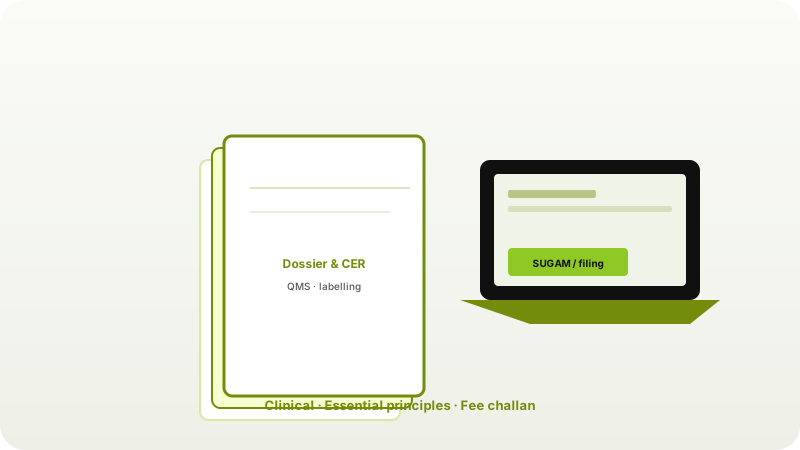
Submit to CDSCO or state SLA, answer queries, then hold the licence or registration you need to operate — e.g. MD-15 for import, MD-42 for wholesale, etc.
High-level steps apply across pathways; specifics depend on drugs, cosmetics, or medical devices. Pick a track below for tailored steps and typical documents.
Compile product, site, and quality information as per the applicable drug rules and schedule.
File the complete application with CDSCO / state licensing authority as per jurisdiction and activity.
Authorities review dossiers; inspections may be scheduled for manufacturing and wholesale premises.
Respond to clarifications on formulations, stability, labels, or quality systems promptly.
On satisfaction of conditions, manufacturing / wholesale / import licenses are issued.
Align formulations and labels with cosmetic rules and notified standards.
Prepare application for manufacture, import, or registration as per category.
CDSCO / state authorities review safety, labeling, and responsible person details.
Address queries on ingredients, claims, GMP, or PIF documentation.
Grant of license or registration certificate for lawful trade in India.
Determine the correct risk class and device family for your intended use.
Prepare design, risk, clinical evaluation (where applicable), and labeling as per requirements.
Submit online application with fees and supporting documents to CDSCO.
Respond to CDSCO queries on tests, standards, or post-market surveillance plans.
Receive registration certificate or license to import/manufacture as approved.
See also the MD-15 document checklist below for import-focused lists.
Requirements vary by device class and origin country. Your CDSCO officer may request additional items. Use this as a working checklist with our team.
Free consultation • Fast response • Clear next steps — not generic advice
See what our clients have to say about working with Diligence Certifications on regulatory projects.


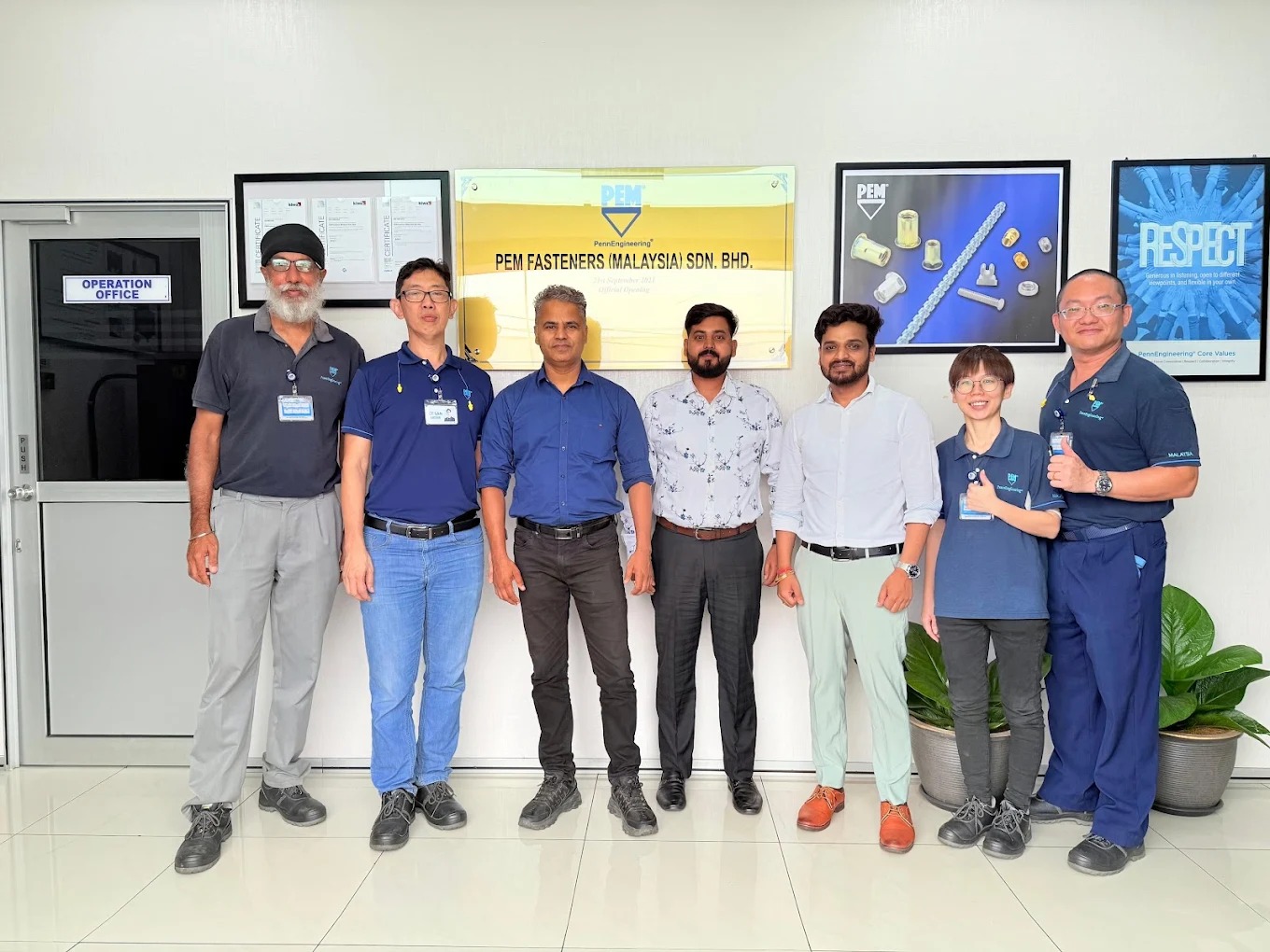
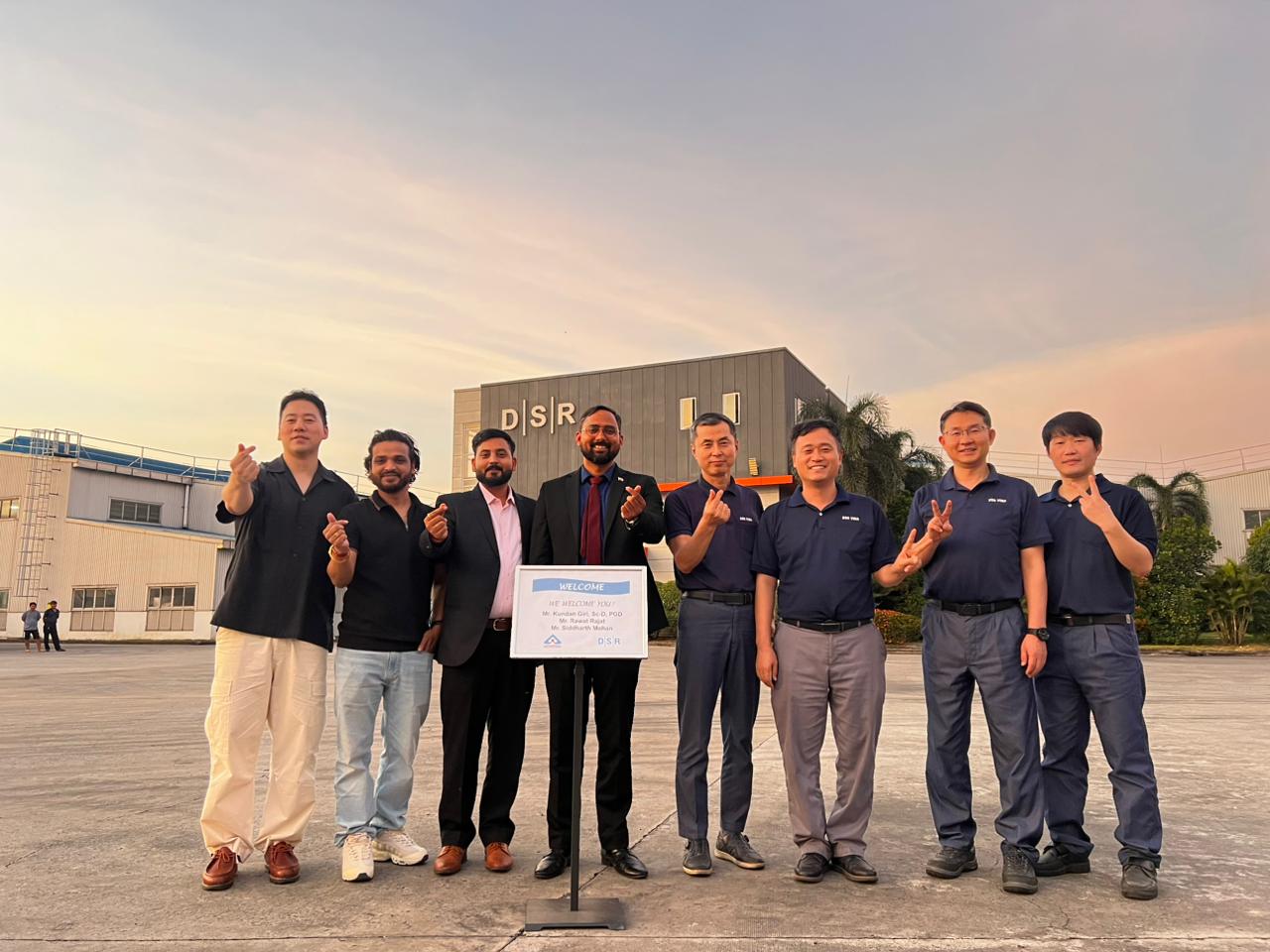
Photos from client facilities where we support audits and compliance readiness — real sites, real regulatory work.


Drugs, cosmetics, and medical devices demand accurate dossiers, clear classification, and disciplined follow-up with CDSCO and state authorities.
We align technical files and applications with what CDSCO reviewers expect, reducing back-and-forth on queries.
From device classification and drug licensing routes to import documentation and post-approval changes, we stay with you through the lifecycle.
We help navigate both CDSCO and state drug control interfaces where your application requires dual alignment.
Manufacturers, importers, and brand owners rely on us for pragmatic regulatory execution, not generic checklists.
Variations, renewals, and post-market documentation — we help you stay current as rules and products evolve.
Tell us about your drugs, cosmetics, or medical devices. We’ll map the right CDSCO route and document checklist for your case.
Our team reviews your product category, business activity, and current approvals to give you a clear route, likely timeline, and practical document plan before filing.
Everything you need to know about CDSCO registration — answered by our experts.